

Meta Ads vs Google Ads in India — Which One Actually Gives Better ROAS in 2026?
April 9, 2026CRM Lead Tracker – Excel, Google Sheets

May 20, 2026

Meta Ads vs Google Ads in India — Which One Actually Gives Better ROAS in 2026?
April 9, 2026CRM Lead Tracker – Excel, Google Sheets
May 20, 2026

Client
SIG
Industry
B2B Packaging Technology
Business Model
Enterprise Systems & Technology
Campaign Scope
Full-Funnel Infrastructure Rebuild
Brand Introduction
SIG is a global B2B packaging technology company operating across multiple regions, markets, and sales teams. Their sales cycles are long, deal sizes are high, and buying decisions involve multiple stakeholders.
Marketing was active. Demand existed. But growth wasn’t predictable.
The Real Problem
On the surface, SIG had a marketing problem. Underneath, they had a revenue visibility problem.
They faced:
System Leakage: Leads were generated, but lost between systems.
Unclear Attribution: Sales couldn’t see what actually drove revenue.
Siloed Execution: Regional teams ran campaigns independently, creating silos.
Leadership couldn’t confidently answer:
What is actually working, and where should we invest more?
The Verdict:
This wasn’t a campaign issue. It was a broken funnel infrastructure issue.
The Strategic Decision
Before running more ads, we made one clear call: if the foundation isn’t fixed, scaling
campaigns will only scale confusion.
The goal wasn’t more activity. It was a system that could work
across regions without constant intervention.
Before running a single campaign, we fixed what was broken. This took two weeks. This is important and should not be skipped; we can’t go straight to ads. If done, good campaigns fail.
Google Analytics setup: Their tracking was incomplete. We couldn’t see which channels drove leads, where visitors dropped off, or what content actually worked. We rebuilt it from scratch: every page tracked, every form submission logged, and every lead source attributed.
GDPR compliance: Added consent mechanisms so we could track legally. Not an afterthought—a requirement.
Marketing automation: Connected their forms to CRM so leads flowed in automatically. No spreadsheets. No manual uploads. No leads lost in someone’s inbox.
Not all leads are equal. A CEO downloading a case study is different from a student filling out a form for research.
We built a lead scoring system that assigned points based on job title, company size, engagement level, and content consumed. This automatically flagged MQLs so sales knew who to prioritize. Simple logic. Big impact.
Most leads aren’t ready to buy immediately. But without follow-up, they go cold.
We built automated email sequences that stayed in touch with leads over weeks—sending relevant content based on what they’d already engaged with. No manual sending. No follow-up falling through the cracks.
Here’s where most B2B companies get it wrong: they treat all markets the same. We split the strategy into two tracks because context matters.
Corporate campaigns: Focused on enterprise decision-makers. The content was authoritative (case studies, ebooks, whitepapers). Used brand awareness to stay top-of-mind, ABM to reach specific accounts, and Google Search to capture existing demand.
Regional campaigns (APAC, MENA, Europe): Focused on engagement. Used webinars that addressed region-specific challenges and localized case studies with companies they’d recognize. ABM was tailored to regional buying behavior.
This is where most global campaigns collapse. We avoided this by bringing regional heads into the planning process early:
Scheduled planning calls to understand regional priorities and pain points.
Got input on messaging, content, and channels that would actually work in their markets.
Built campaign timelines around regional events and buying cycles.
Created shared documentation so each team could execute independently.
The result: Regional teams owned their campaigns. They weren’t executing someone else’s plan—they were running their own.
With infrastructure in place, campaigns went live. We weren’t just running ads; we were operating a system that improved itself over time.
Brand awareness filled the top of the funnel.
Google Search captured people already looking for solutions.
Webinars engaged regional audiences and built trust.
ABM campaigns targeted high-value accounts directly.
Nurture sequences kept leads warm until they were ready for sales.
Every week, we reviewed performance, adjusted targeting, refined messaging, and reallocated budget to what worked.
What Actually Moved the Needle

Documentation
Every step was documented.
Not just what we did, but
why we did it and how it worked. Regional teams could replicate the process without
needing us on every call.

Collaboration
We didn't dictate strategy from headquarters. We involved regional heads from the start. They knew their markets better than we did. Our job was to give them infrastructure and support-not override their judgment

Logical progression
We fixed the funnel in order: tracking first, then automation, then scoring, then campaigns. Each step built on the last. No skipping ahead. No trying to optimize campaigns when the data underneath was broken.
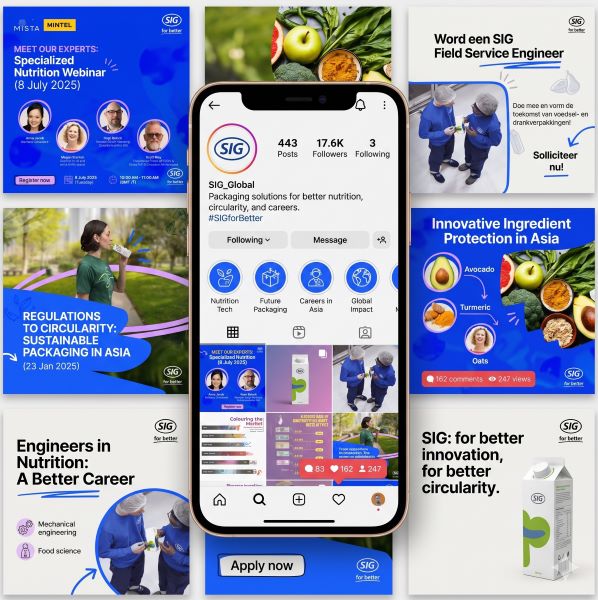
Results
These numbers came from fixing infrastructure, not just running ads. When you build the foundation right, growth compounds.
Why This Worked
(And Why It’s Repeatable)
- Foundation Before Scale: No optimization without visibility.
- Systems Over Tactics: Campaigns were outputs, not the strategy.
- Business Alignment: Marketing served sales and leadership decisions not dashboards.
The One Insight That Matters
Marketing doesn’t fail because ads are bad. It fails because the funnel underneath is broken. SIG didn’t fix campaigns first; they fixed the bucket. Only then did growth compound.