
Want to hear a mind boggling stat? Over 90% of MSMEs in India have adopted digital payments, but only 13% actively use digital marketing or e-commerce to reach customers. This gap is the size of a canyon. And if you’re a small business owner, that canyon is either your biggest risk or your biggest opportunity.
Most small businesses in India are digitally capable now. They take UPI payments, they have a WhatsApp Business number, maybe an Instagram page that hasn’t been updated since Diwali 2023. What they don’t have is a plan for actually using digital channels to bring in customers.
Let’s understand why digital marketing matters more than ever for small businesses and five strategies worth your time in 2026.
Why Digital Marketing Is Important for Small Businesses
Let’s start with the obvious one and then get specific, because “digital marketing is important” isn’t news to anyone.
Your customers are already online. The only question is whether they’re finding you or your competitor. India crossed 958 million active internet users in 2026. That’s basically everyone your business would ever want to sell to.
Digital ad spend just overtook television for the first time in India. In FY 2024-25, digital advertising spend hit roughly ₹40,800 crore, and it is projected to rise to 1,00,000+ crore in 2026. When the big brands move their money somewhere, it’s usually a signal that’s where attention already went.
It levels the playing field in a way traditional marketing never could. A newspaper ad or a hoarding costs roughly the same whether it works or not. Digital marketing lets a small business with a modest budget compete for the same customer as a much bigger player.
And here’s the part that matters most for a small business specifically: you can track every rupee. Traditional marketing is a leap of faith. Digital marketing tells you exactly which ad, which post, which keyword actually turned into a sale.
The real issue for most Indian SMEs isn’t whether digital marketing works. It’s that they haven’t picked a strategy and stuck with it long enough to see it work.
Top 5 Digital Marketing Strategies for Small Businesses
You don’t need all of these running at once. Pick based on where your customers actually are and what your business can realistically execute, then go deep instead of wide.
1. Local SEO
If you have a physical location or serve a specific city, this is where you start. Full stop.
When someone searches “best AC repair near me” or “wedding caterer in Ahmedabad,” Google is trying to answer that with a business, not a website with the most backlinks. That’s what local SEO is built for.
What actually moves the needle:
- A fully filled-out Google Business Profile with photos, hours, services, and posts updated regularly
- Genuine customer reviews, and actually responding to them (yes, even the bad ones)
- Location-specific keywords on your website (“plumber in Vadodara,” not just “plumber”)
- Consistent business name, address, and phone number everywhere you’re listed online
This is also, rupee for rupee, one of the cheapest strategies on this list. You’re building something that keeps bringing in customers months after you did the work.
Here’s is the GBP of one of our clients:
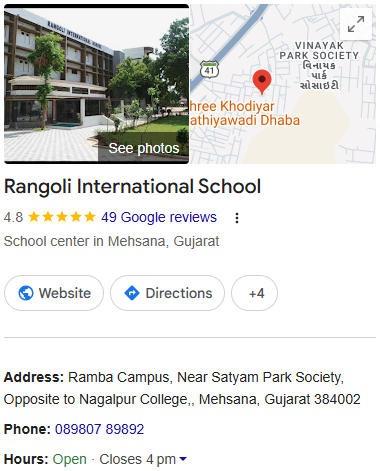
We also keep it regularly updated with their activities.

2. Social Media Marketing (with actual strategy, not just random posting)
Here’s where most small businesses go wrong: they treat social media like a portfolio instead of a sales channel. Pretty photos, no clear next step for the viewer, no consistency.
A social media strategy that works has three things a random Instagram feed doesn’t:
- A content mix that’s mostly not selling. Behind-the-scenes, customer stories, useful tips relevant to what you sell, with actual promotional posts mixed in.
- A platform choice based on your customer. If you’re B2C and visual (food, fashion, home decor), Instagram and Reels first. If you’re B2B or service-based, LinkedIn does more work than people expect.
- Consistency over virality. One viral reel won’t build a business. It never did. Twelve months of showing up definitely will.
Have a look at the context mix of one of our clients:
3. WhatsApp Marketing
This one’s really underused by small businesses in India, and it shouldn’t be. This is where your customers already spend the most time.
WhatsApp Business lets you send order updates, catalogues, appointment reminders, and offers directly to people who’ve already shown interest. The open rates on WhatsApp blow email out of the water. This is mostly because people actually check WhatsApp within minutes, not once a day like their inbox.
Start simple: a WhatsApp catalogue of your products or services, automated replies for common questions, and broadcast lists (not spam groups) for offers to customers who’ve opted in.
4. Google Ads (Search, specifically)
Organic strategies like SEO take time to compound. If you need customers this month, paid search is where that happens.
The advantage of Google Search Ads for a small business is intent. Someone searching “buy office chairs Surat” is already looking to buy, not just browsing. You’re answering something they were already asking.
Start narrow. Pick 5-10 high-intent keywords directly tied to what you sell, set a daily budget you’re genuinely comfortable losing while you learn, and track which keywords actually lead to enquiries or sales. A common expensive mistake here is running broad, unfocused campaigns chasing traffic instead of a handful of tight campaigns chasing customers.
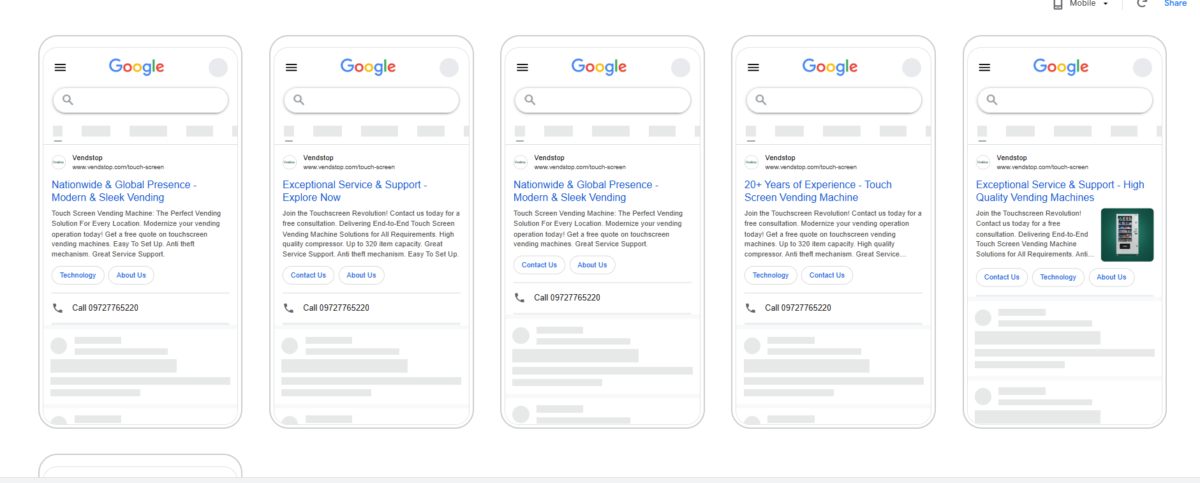
Here’s how it looks like in practice:
5. Content Marketing (blogs, videos, or both)
This is the slow-build strategy, but it compounds in a way paid ads never do. The content you publish today can keep bringing in customers two years from now.
For a small business, content marketing doesn’t mean hiring a full editorial team. It means consistently answering the questions your customers are already asking you in person or on calls. A tailor writing about “how to choose fabric for Indian summers.” An accountant explaining GST filing deadlines in plain language. A gym posting short videos correcting common form mistakes.
The format matters less than the consistency. Short-form video (Reels, YouTube Shorts) is working exceptionally well right now because it’s mobile-first and matches how Indian audiences actually consume content in 2026. But a well-written blog post targeting the right local keyword can quietly bring in leads for years without you touching it again.
Here’s how it looks in action:
- https://www.instagram.com/praharanjaria/reel/DcnmFamSm-h/
- https://www.instagram.com/rangolipreschoolofficial/reel/Db-skyVxuaI/
- https://www.rangolischool.co.in/play-school-vs-pre-nursery-vs-nursery/
Benefits of Digital Marketing for Small Businesses
If you’re still thinking about whether this is worth the effort, here’s what you actually get:
Measurable ROI on every rupee spent. Unlike a newspaper ad you can never really trace back to a sale, digital campaigns show you exactly what worked: which ad, which keyword, which post drove the actual enquiry.
Precise targeting instead of broadcast guessing. You can reach a 28-year-old woman in Gandhinagar interested in skincare, or a business owner in Surat searching for accounting software.
A level playing field against bigger competitors. Your budget doesn’t need to match a national brand’s. It just needs to be spent more precisely than theirs.
Direct, two-way communication with customers. Comments, DMs, WhatsApp replies. Digital marketing gives small businesses something traditional advertising never offered: an actual conversation with the people buying from you.
Compounding results over time. SEO and content built today keep working next year. That’s fundamentally different from an ad that stops working the moment you stop paying for it.
Real competitive intelligence, for free. You can see exactly what your competitors are posting, running as ads, and getting engagement on. This is something that used to require expensive market research.
How to Spend Digital Marketing Budget for SMEs
This is the question we get asked most, and the honest answer is: it depends on your revenue, your industry, and your growth stage. But here’s a workable starting framework for 2026.
As a rule of thumb, small businesses in India should budget 5-12% of revenue for digital marketing. Lean toward the lower end if you’re stable and established, and the higher end if you’re actively trying to grow market share or just launched.
A reasonable channel split looks like this:
Channel | Suggested Allocation | Why |
Paid Search (Google Ads) | 35-40% | Fastest path to customers actively searching for what you sell |
SEO & Content | 20-25% | Builds a compounding asset that keeps working long-term |
Social Media | 15-20% | Builds brand awareness and trust, supports the sales funnel |
Email & WhatsApp Marketing | 10-15% | Cheapest channel to keep existing leads and customers warm |
If your monthly budget is tight (₹15,000-25,000), don’t spread it across five channels. Pick local SEO and social media management first. They’re the strategies that don’t require heavy ad spend to start showing results. Also, they build the foundation everything else sits on later.
If you’re ready to scale (₹25,000-50,000+ a month), add Google Ads and email/WhatsApp automation on top of that foundation, once your organic presence is actually converting visitors who land on it.
One thing we’d flag honestly: don’t chase every new platform or AI tool that promises overnight results. The mistake we see most often with small businesses is spreading a small budget across too many channels and doing all of them half-heartedly. Pick two, do them properly for six months, and only then consider adding a third.
Where to Start
If you’re a small business owner reading this and feeling slightly overwhelmed by five strategies and a budget table, rest assured, that’s normal. You don’t need to do everything this month. You need to pick the one or two strategies that fit where your customers already are, and commit to them long enough to actually see results.
That’s the conversation we have with SME clients at Socialee constantly: not “which platform is trendy,” but “which one thing, done properly, moves your business forward this quarter.” If you’d rather skip the trial-and-error and get a clear recommendation for your specific business, talk to us.