
Everybody wants a high ROAS, but when we talk about direct-to-consumer (D2C) brands, achieving high Return on Ad Spend (ROAS) isn’t just a goal; it’s the lifeline of sustainable scaling. It can literally make or break the brand. With customer acquisition costs rising and digital platforms evolving rapidly, achieving a high ROAS has become non-negotiable.
This guide breaks down everything D2C marketers need to know to unlock high ROAS, from platform strategies and creative insights to advanced tracking tools and case studies that prove it works.
Understanding ROAS for D2C
Before diving into channels and creatives, it’s essential to understand what ROAS really means for a D2C brand.
What is ROAS?
ROAS (Return on Ad Spend) measures how much revenue your ads generate for every dollar spent. For D2C brands, it’s a vital eCommerce KPI that dictates budget allocation, scalability, and profitability.
ROAS Calculation Formula:
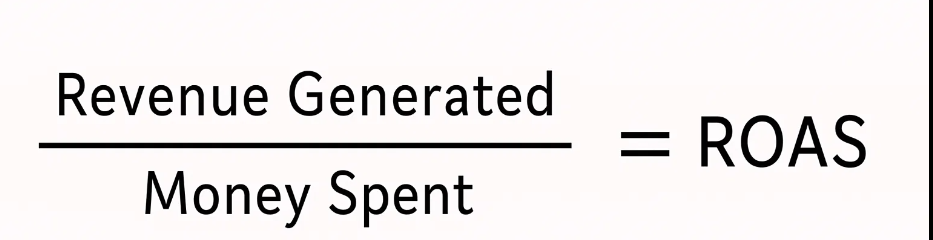
For example, a ROAS of 5x means you earned ₹5 for every ₹1 spent.
ROAS vs ROI in D2C
While both measure returns, ROI (Return on Investment) includes all business costs, not just advertising. ROAS is more granular and ad-focused, which makes it essential for performance marketing agencies managing paid media.
- ROAS = Ad Revenue / Ad Spend
- ROI = (Net Profit / Total Investment) x 100
Benchmarks for D2C ROAS by Industry
It’s hard to give a standard number as ROAS goals vary based on product margins and industry. Here’s a rough benchmark:
Industry | Avg. Target ROAS |
Fashion & Apparel | 3.5x – 5x |
Health & Wellness | 4x – 6x |
Electronics | 2x – 3x |
Beauty & Skincare | 3x – 6x |
Home Decor | 3x – 5x |
Top Ad Channels for High ROAS
Not all ad platforms are created equal, and what works for one brand might not work for another. Let’s see the best-performing ad channels for D2C.
Facebook/Instagram Ads for D2C
Meta platforms remain dominant for D2C media buying. With advanced targeting, lookalike audiences, and seamless product carousels, Facebook Ads are a must.
- Great for: Product discovery, storytelling, retargeting.
- Works best with: Video ads for D2C, influencer collabs, and UGC.
Pro Tip: Combine Facebook Ads with Instagram Shopping for higher conversion volume.
Google Shopping & YouTube Ads
For users with high purchase intent, Google Ads for e-commerce offers unmatched ROI.
- Google Shopping: High CTR for ready-to-buy users.
- YouTube Ads: Amazing for product explainer videos, reviews, and unboxing videos.
Use Google Performance Max to unify search, shopping, and display campaigns.
Amazon DSP vs Meta Ads
For D2C brands selling on marketplaces, Amazon DSP offers a retargeting edge. However, Meta Ads dominate in storytelling and brand building.
- Amazon DSP: Intent-based, SKU-level targeting.
- Meta Ads: Visual storytelling + broader audience reach.
Creative That Converts
Even with the right audience and platform, your results hinge on one thing: creativity. Let’s dive into what makes D2C ads actually convert.
Visual Storytelling for Product Brands
Your creativity is your biggest lever for improving ROAS. For D2C, ad creatives for CTR should highlight use-cases, lifestyle moments, and before-and-after visuals.
Socialee’s tip: Use a hook in the first 3 seconds and test with multiple hooks for the same video.
User-Generated Content & Influencers
UGC builds trust and authenticity, and it scales well across platforms.
- Run UGC-heavy campaigns to reduce CPMs.
- Use micro-influencers to create native-style content for Facebook Ads for D2C.
Copywriting Frameworks for Conversions
Use proven frameworks:
- PAS: Problem → Agitate → Solution
- AIDA: Attention → Interest → Desire → Action
- Add social proof, urgency, and product benefits.
Tracking & Optimization
If you can’t measure it, you can’t scale it. You have to learn about the top tools and tactics for tracking ROAS accurately.
Top ROAS Tracking Tools
To hit a consistent 4x+ ROAS, you need robust analytics. Here are our favourites:
- Triple Whale: Real-time ad attribution across channels.
- Northbeam: Excellent for channel contribution modelling.
- GA4 + GTM: Essential combo for cross-device user behaviour.
- Meta Pixel + Server-Side Tracking: Combat iOS14+ tracking loss.
These e-commerce analytics tools ensure you’re not flying blind.
A/B Testing Strategy for Creatives
Test one variable at a time:
- Headline variations
- Visual styles
- CTA text vs. button
Use dynamic creative testing in Meta Ads Manager or Google Experiments.
Retargeting & Customer Journey Mapping
Retargeting boosts ROAS dramatically when done right:
- Segment based on site behaviour.
- Exclude converted users.
- Tailor creative to stage: awareness → consideration → purchase.
Use pixel tracking to create accurate user segments.
Case Study of 5x+ ROAS D2C Brands
How Rama Water Filter Scaled ROAS from 2x to 7x in 8 Months
When Rama Water Filter partnered with us in November 2024, they were averaging a 2.2x ROAS. By June 2025, it had scaled to a 6.7x ROAS, with monthly purchase volume growing 8x and ad efficiency improving significantly.
Here’s how we did it:
1. Solid Technical Foundation
- Accurate Conversion Tracking across Meta, Google, and GA4 ensured campaign learning was based on real outcomes.
- Implemented server-side tracking and proper attribution setup, giving clear visibility on channel performance.
2. Funnel-Driven Media Buying
- Built a full-funnel strategy using Awareness → Consideration → Conversion stages.
- Created lookalike audiences from high-quality customer data to expand reach efficiently.
3. Creative That Converts
- Deployed high-performing UGC, testimonial videos, and before-and-after visuals.
- Focused on direct-response messaging with clear value props.
4. Website Optimization (CRO)
- Improved site speed, layout clarity, and CTAs for better conversion rates.
- Introduced bundles and prepaid offers to boost AOV and reduce RTO.
5. Mid-to-Bottom Funnel Tactics
- Automated WhatsApp follow-ups with offers to close warm leads.
- Used cross-sell campaigns and new product launches to increase LTV.
6. RTO Reduction in COD-Heavy Market
Rolled out partial COD options and order confirmation via WhatsApp to curb returns, a key issue in India’s D2C landscape.
7. Strategic Scaling Execution
Best results came from:
- Meta: Advantage+ Catalogue Sales
- Google: Performance Max, Search, Demand Gen
Focused campaigns around hero products that converted consistently.
8. Continuous Monitoring & Iteration
- Maintained daily sales + ROAS trackers to detect drop-offs early.
- Analyzed performance by product, platform, and region to guide optimizations.
The result is clear.
- ROAS scaled from 2.2x to 6.7x
- Monthly purchases increased from 72 to 627+
- Ad spend became more efficient, with the cost per conversion dropping from ₹2,334 to ₹750
This is a prime example of what’s possible with the right funnel strategy, creative execution, and cross-platform optimization.
If you’re a D2C founder, marketing lead, or growth strategist, your brand’s growth relies on one thing: Profitable ROAS at scale. From the right ad channels to creative execution, tracking tools, and retargeting, everything must align.
At Socialee, we’re more than just a D2C marketing agency; we’re your growth partner. Whether you’re building a fashion label, wellness brand, or digital-first startup, our team is equipped to drive high-ROAS performance with precision. Looking to scale your D2C brand profitably? Contact us today.
FAQs:
- What is a good ROAS for D2C brands?
A good ROAS for D2C brands typically ranges from 3x to 5x, depending on the industry and product margins. For high-margin categories like skincare or wellness, a 4x to 6x ROAS is often achievable and scalable. - How is ROAS different from ROI in e-commerce?
ROAS (Return on Ad Spend) focuses only on revenue generated from advertising spend, while ROI (Return on Investment) includes all business costs. ROAS is more actionable for media buying and ad performance evaluation. - Which ad platforms drive the highest ROAS for D2C brands?
Meta Ads (Facebook/Instagram) and Google Ads (Search, Shopping, and YouTube) are the most effective platforms for D2C. Meta is great for storytelling and retargeting, while Google captures high-intent traffic. - What kind of creatives improve ROAS?
High-ROAS ad creatives usually include user-generated content (UGC), testimonial videos, motion graphics, and before-and-after visuals. Clear, benefit-led messaging and strong CTAs also drive conversions. - Which tools help track ROAS accurately?
Top ROAS tracking tools include Triple Whale, Northbeam, Google Analytics 4 (GA4), and Meta Pixel with server-side tracking. These tools help D2C brands understand performance across platforms and optimize spend. - How can D2C brands reduce RTO and improve ROAS in India?
To reduce RTO (Return to Origin) in COD-heavy markets like India, use partial COD options, WhatsApp confirmations, and prepaid incentives. This improves delivery success and increases overall ROAS. - What campaign types work best for high ROAS?
Campaign formats like Meta Advantage+ Catalogue Sales, Google Performance Max, and retargeting funnels tend to perform best. Focus on hero products and test creatives regularly to scale profitably.